
Bloomsbury Painters & Decorators
Interior painting
An interior should feel resolved from the entrance to the last room. Our Bloomsbury decorating briefs bring walls, ceilings and joinery into one scheme, while giving retained plasterwork, existing furnishings and the people using the building their proper place.
Discuss your project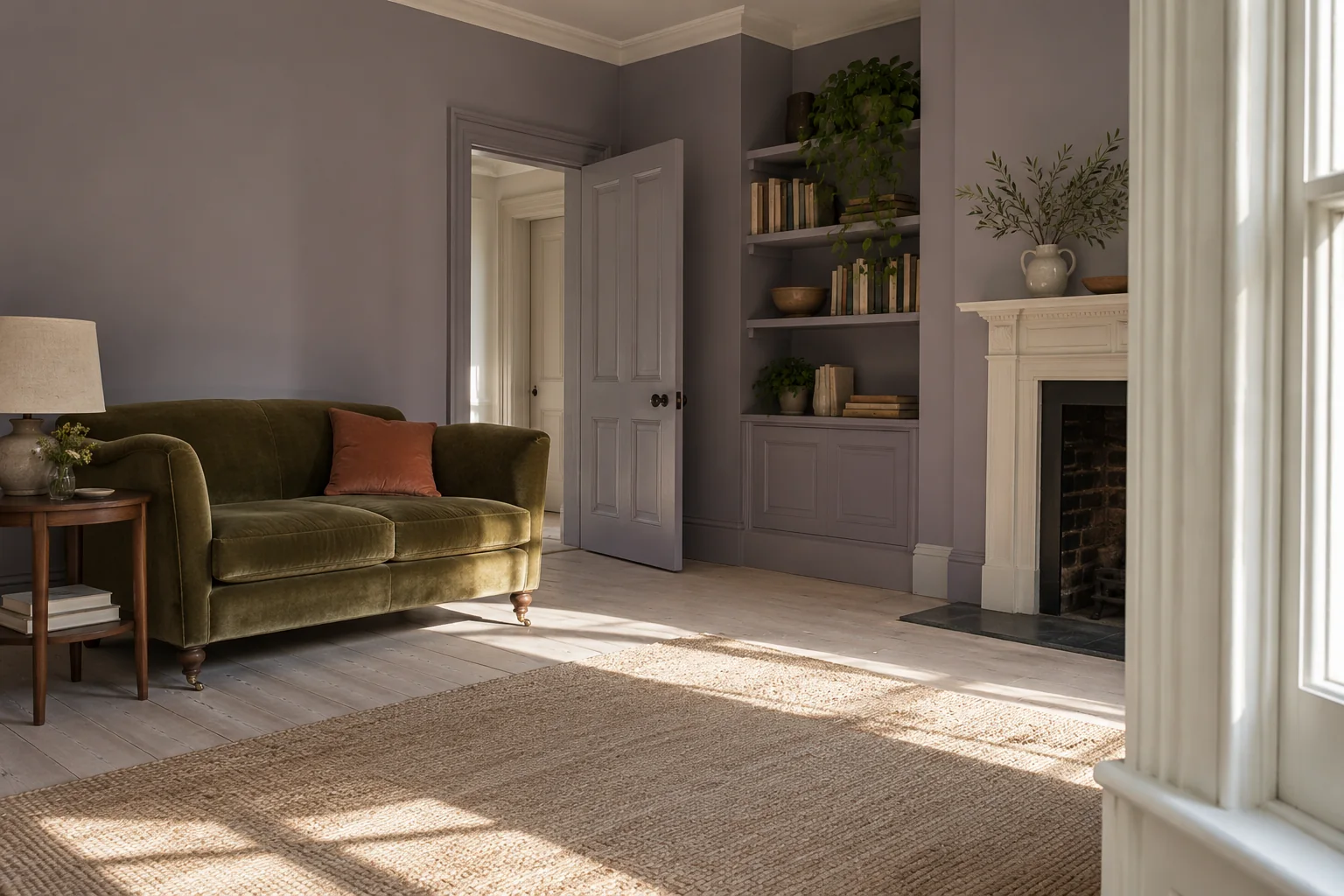
Follow the light through the rooms
A tall front room and a quieter room at the back can read the same paint quite differently. Look at substantial samples in each position, with the curtains, flooring and lamps that will remain. Agree how the wall colour meets the ceiling, cornice and woodwork, so the transition between rooms is deliberate.
Give the joinery its own specification
Include shutters where present, window reveals, door panels, architraves and skirting in the surface schedule. Decide which edges and cupboard interiors belong to the commission. These smaller elements often determine whether a room feels complete; recording them also makes it clear which fittings will need removal or protection before preparation begins.
Inspect before covering
Open joints, unstable coatings and marks beneath a window need a decision before finishing. Identify the cause of any unresolved damage and distinguish decorative filling from repairs needing another specialist. In a listed interior, establish the appropriate treatment before sanding, stripping or changing a finish; protection extends beyond the street elevation.
Sources: Camden: listed buildings
Release a workable part of the home
For an occupied flat, a room must have somewhere to put its furniture and a route that remains usable. Agree those arrangements with the resident, together with storage and daily access. For a larger townhouse, work floor by floor only where that sequence preserves the facilities and circulation the occupants need.
Keep a record that can be used again
At the review, compare each surface with the agreed instruction and record any remaining work. Retain the accepted colour, product and sheen by room. Furniture and fittings should return in accordance with the finish manufacturer's guidance, so a completed paint application and a room ready for everyday use are treated as separate stages.
Your Bloomsbury repaint
The next step starts
with your brief.
Tell us what needs decorating, how the space is used and when access is possible. Include any listed-building requirements or shared-area approvals so we can discuss the scope on a clear basis.
A few details to begin
Your Bloomsbury address and a description of the surfaces help us understand the work.